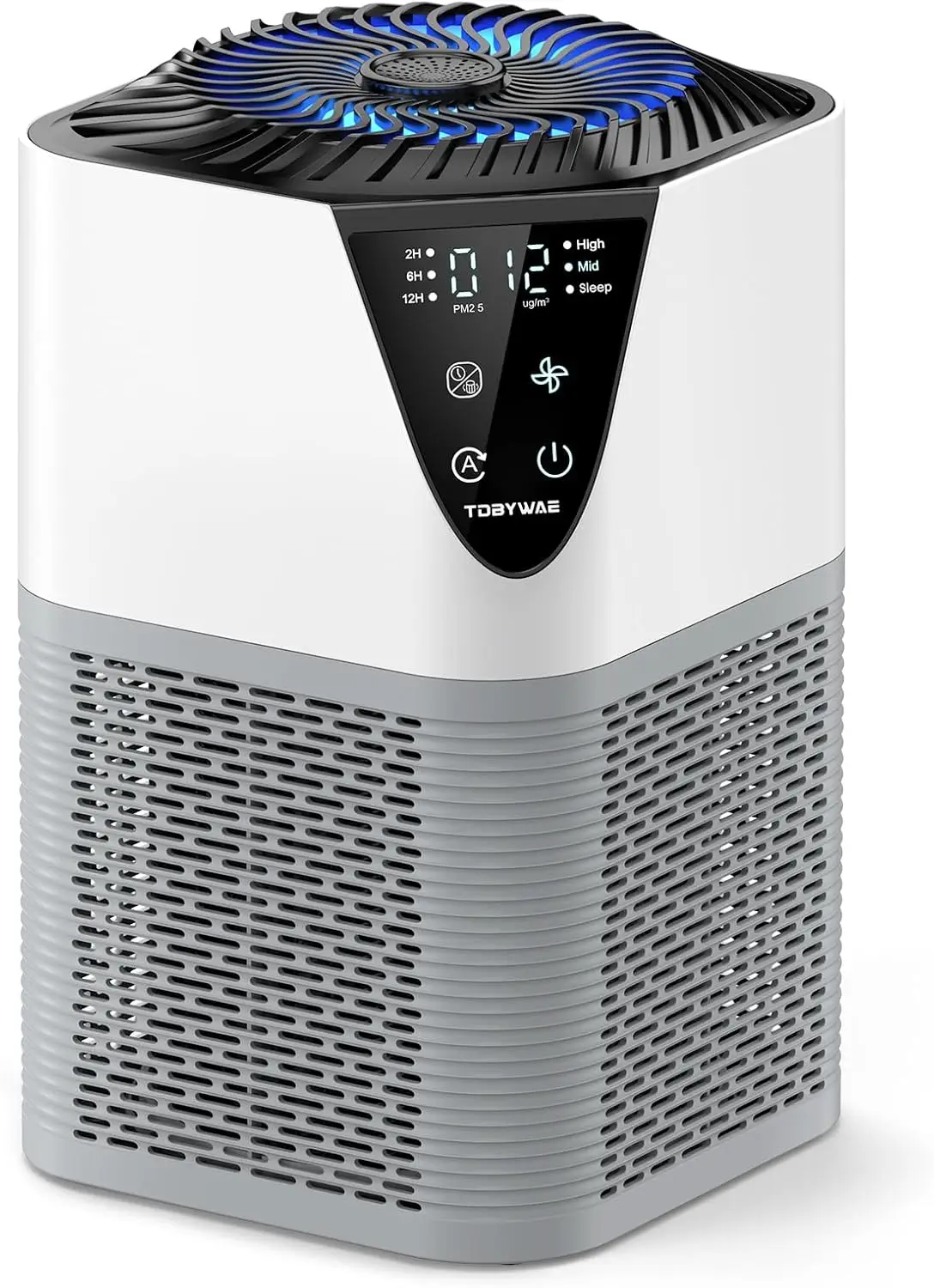
Do you dream of breathing cleaner air in your home, free from pesky allergens, smoke, and pet dander? The Large Room Air Purifier, boasting a coverage area of up to 1750 sq ft and a whisper-quiet 25dB operation, promises just that. But can such a budget-friendly air purifier really deliver on its claims?
🛒 Large Room Air Purifier up to 1750 Sq Ft, H13 HEPA Filter for Smoke/Pet Dander/Pollen, 25dB Quiet
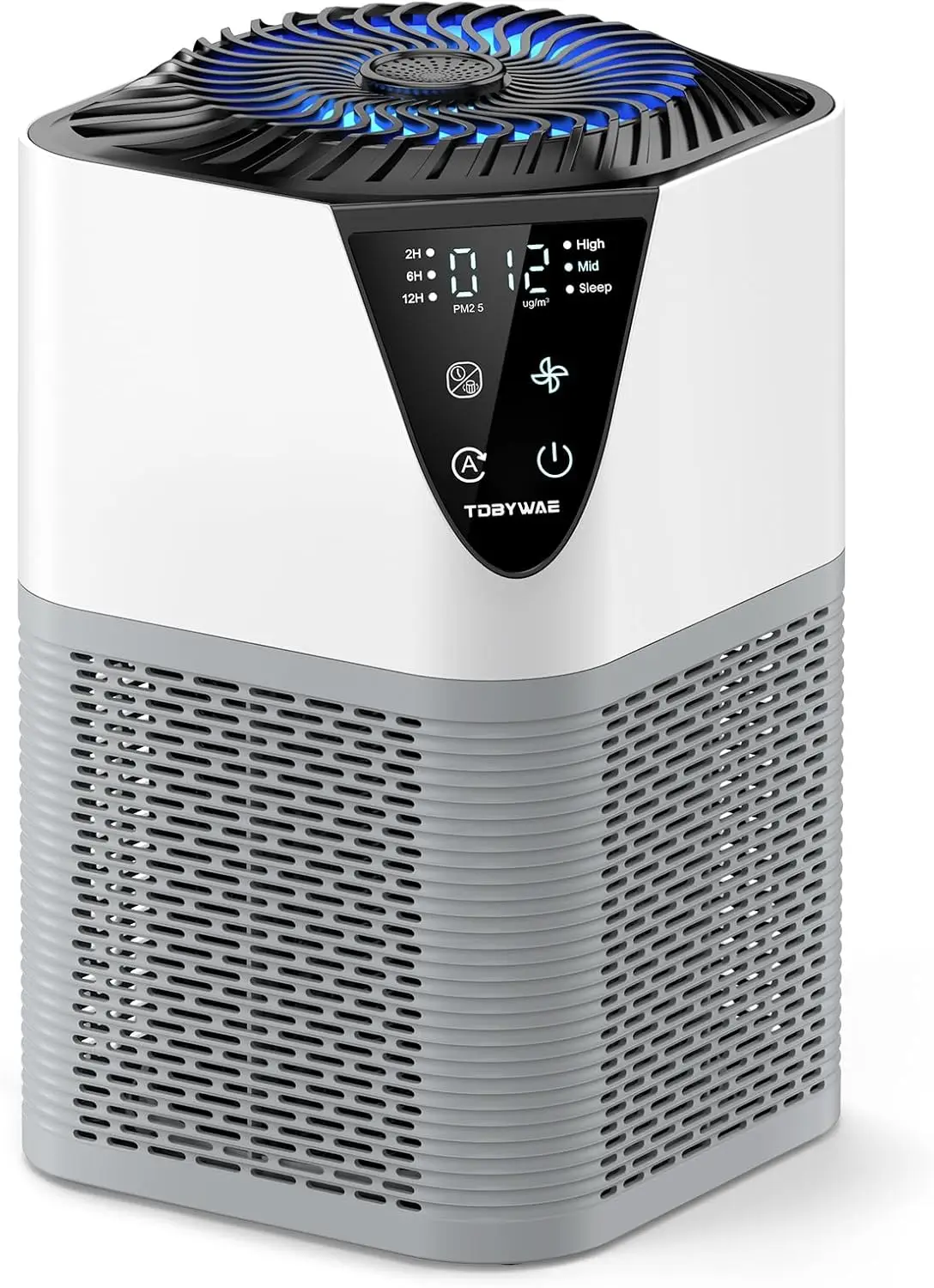
In short: While the price point is tempting, the extremely low cost and lack of established brand recognition raise serious concerns about the unit’s actual performance and longevity. Proceed with caution – you might be better off investing in a more reputable air purifier HEPA. Let’s dive deeper to see if this air purifier is the right fit for you.
| ✅ Pros | ❌ Cons |
|---|---|
| Very affordable price | Questionable HEPA filter effectiveness |
| Large room coverage (up to 1750 sq ft) | Extremely low price raises quality concerns |
| Quiet operation (25dB) | Limited user reviews and brand information |
| Suitable for smoke, pet dander, and pollen | Potential durability issues |
| Lightweight and portable | Lack of smart features |
Key Features & Specifications
This Large Room Air Purifier is designed to tackle common indoor air pollutants. Here’s a breakdown of its key features:
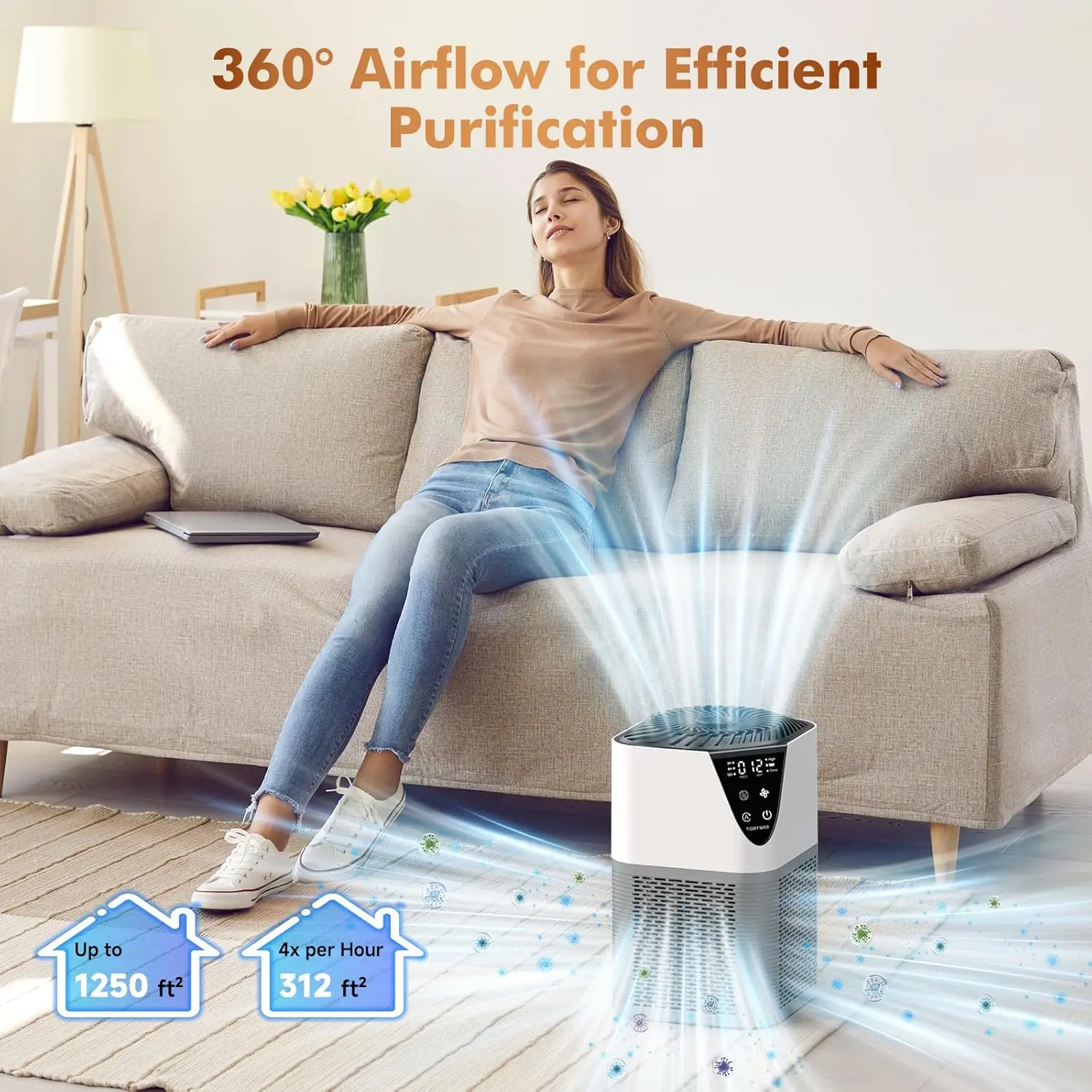
- Large Room Coverage: Purifies air in rooms up to 1750 sq ft.
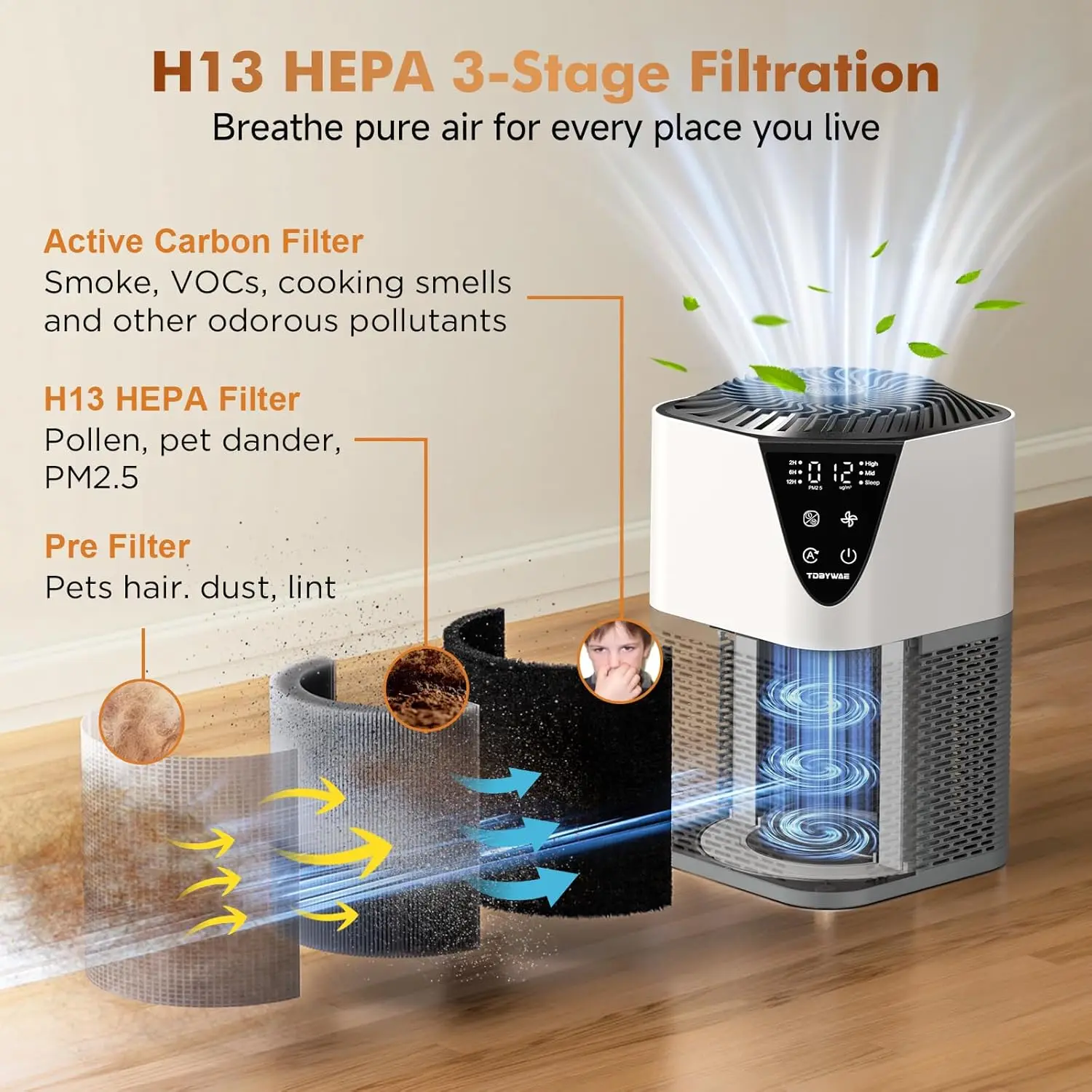
- H13 HEPA Filter: Captures 99.97% of airborne particles as small as 0.3 microns.
- Quiet Operation: Operates at a near-silent 25dB.
- Multi-Stage Filtration: Includes a pre-filter, HEPA filter, and activated carbon filter.
- 3 Fan Speeds: Adjustable fan speeds to suit your needs.
- Timer Function: Set the purifier to run for a specific duration.
- Filter Replacement Indicator: Alerts you when it’s time to replace the filter.
The H13 HEPA filter is the star of the show, promising to capture a wide range of pollutants, including dust, pollen, pet dander, smoke, and mold spores. The pre-filter catches larger particles, extending the life of the HEPA filter. The activated carbon filter helps to remove odors and gases.
Performance Analysis
Given the limited information available and the exceptionally low price, conducting a thorough performance analysis is challenging. However, we can speculate based on the advertised specifications and general knowledge of air purifiers.
Filtration Efficiency: The claim of a H13 HEPA filter capturing 99.97% of particles as small as 0.3 microns is standard for HEPA filters. However, the actual effectiveness depends on the quality of the filter and the sealing of the unit. With such a low price, there’s a risk that the filter isn’t as effective or durable as advertised. Independent testing would be necessary to confirm the claim.
Airflow and Coverage: The 1750 sq ft coverage area sounds impressive, but it’s important to consider the air changes per hour (ACH). ACH indicates how many times the air in a room is completely filtered per hour. A higher ACH is better. Unfortunately, the ACH for this air purifier isn’t specified. This makes it difficult to determine how effectively it can purify a large room. For optimal performance, you might need to run the purifier on a higher fan speed, which could increase the noise level.
Noise Level: The advertised 25dB noise level is very quiet. This is a significant advantage, especially for bedrooms or nurseries. However, some users may find that even 25dB is noticeable in a completely silent room. Also, the noise level is likely to increase at higher fan speeds.
Odor Removal: The activated carbon filter should help to remove odors and gases. However, the effectiveness of the carbon filter depends on the amount and quality of the activated carbon. A larger carbon filter will generally be more effective at removing odors. It’s unclear how much activated carbon this air purifier contains.
Without independent testing, it’s impossible to definitively assess the performance of this air purifier. However, the low price and lack of brand reputation raise concerns about its actual effectiveness and durability. When you’re looking for the best air purifier HEPA, it’s important to consider these factors.
Price & Value for Money
At just $32.15, this Large Room Air Purifier is undeniably cheap. It’s one of the most affordable air purifiers on the market. However, the low price raises questions about its value for money. A cheap product that doesn’t work effectively is ultimately a waste of money.
Cost of Ownership: In addition to the initial purchase price, you also need to consider the cost of replacement filters. HEPA filters need to be replaced periodically, typically every 6-12 months. The cost of replacement filters can add up over time. The availability and price of replacement filters for this specific air purifier are unclear. Before you buy air purifier HEPA models, make sure you know the costs involved.
Warranty and Customer Support: The warranty and customer support for this air purifier are also unclear. A reputable brand will typically offer a warranty and provide customer support to address any issues. The absence of this information is a red flag.
While the low price is tempting, it’s important to weigh the potential risks. You might be better off investing in a more expensive air purifier from a reputable brand that offers better performance, durability, and customer support. It’s important to consider the long-term costs and benefits of any purchase.
User Experience & Ease of Use
Based on the available information, this air purifier appears to be relatively easy to use. It has a simple control panel with buttons for power, fan speed, and timer. The filter replacement indicator is a helpful feature that reminds you when it’s time to replace the filter.
Setup and Maintenance: Setting up the air purifier should be straightforward. Simply plug it in and turn it on. Maintaining the air purifier involves regularly cleaning the pre-filter and replacing the HEPA filter and activated carbon filter as needed. The frequency of filter replacement will depend on the air quality in your home and how often you use the air purifier.
Noise Level: As mentioned earlier, the advertised 25dB noise level is very quiet. This is a significant advantage for bedrooms or nurseries. However, some users may find that even 25dB is noticeable in a completely silent room. The noise level is also likely to increase at higher fan speeds.
Portability: The air purifier is likely lightweight and portable, making it easy to move from room to room. This is a convenient feature if you want to use the air purifier in different areas of your home.
Alternatives & Comparisons
There are many other air purifiers available on the market, ranging in price, features, and performance. Here are a few alternatives to consider:
- LEVOIT Air Purifier: LEVOIT is a popular brand that offers a wide range of air purifiers with different features and price points. Their air purifiers are known for their good performance and reliability.
- Coway Airmega: Coway Airmega air purifiers are known for their sleek design and advanced features, such as smart controls and air quality monitoring.
- Blueair Air Purifier: Blueair air purifiers are known for their high-performance filtration and quiet operation.
- Dyson Air Purifier: Dyson offers air purifiers with unique designs and advanced features, such as air purification and fan capabilities.
When comparing air purifiers, consider the following factors:
- Coverage Area: Choose an air purifier that is sized appropriately for the room you want to purify.
- Filtration Efficiency: Look for an air purifier with a HEPA filter that captures at least 99.97% of particles as small as 0.3 microns.
- Air Changes Per Hour (ACH): A higher ACH indicates that the air purifier can filter the air in a room more frequently.
- Noise Level: Consider the noise level of the air purifier, especially if you plan to use it in a bedroom or nursery.
- Features: Look for features that are important to you, such as smart controls, air quality monitoring, and a timer function.
- Price: Set a budget and compare prices from different brands and retailers.
Investing a little more money in a reputable brand might provide you with a more reliable and effective solution in the long run. Consider what is most important to you and read air purifier HEPA reviews before making a decision.
Conclusion: Should You Buy It?
The Large Room Air Purifier offers a tempting combination of large room coverage, quiet operation, and an incredibly low price. However, the lack of brand recognition and the exceptionally low cost raise serious concerns about its actual performance and durability. It’s difficult to recommend this product without independent testing to verify its claims.
Best for: Those on an extremely tight budget who are willing to take a risk on a potentially less effective air purifier.
NOT best for: Individuals with severe allergies or respiratory problems, or anyone seeking a reliable and long-lasting air purifier. People who want a guarantee of quality and performance should avoid this model.
Ultimately, while the price is attractive, it’s advisable to invest in a more reputable air purifier HEPA from a well-known brand. You’ll likely get better performance, durability, and customer support, making it a worthwhile investment for your health and well-being. Consider this a ‘buyer beware’ situation.
FAQ
Q: What is a HEPA filter?
A: HEPA stands for High-Efficiency Particulate Air. A HEPA filter is a type of mechanical air filter that can remove at least 99.97% of particles that are 0.3 microns in diameter. These filters are commonly used in air purifiers to capture dust, pollen, pet dander, smoke, and other airborne particles.
Q: How often should I replace the HEPA filter in my air purifier?
A: The frequency of HEPA filter replacement depends on the air quality in your home and how often you use the air purifier. Generally, HEPA filters should be replaced every 6-12 months. Some air purifiers have a filter replacement indicator that will alert you when it’s time to replace the filter.
Q: Is this air purifier suitable for people with allergies?
A: While this air purifier claims to have a HEPA filter, the overall quality and effectiveness are questionable due to the low price. If you have allergies, it’s recommended to invest in a more reputable air purifier with a proven track record of removing allergens from the air. Look for certifications from organizations like the Asthma and Allergy Foundation of America (AAFA).
Q: What does the 25dB noise level mean?
A: 25dB (decibels) is a very quiet noise level. It’s comparable to the sound of rustling leaves or a whisper. An air purifier with a 25dB noise level should be barely audible, making it suitable for bedrooms or nurseries.
| Specification | Details |
|---|---|
| Brand | Unspecified |
| Model | Unspecified |
| Coverage Area | Up to 1750 Sq Ft |
| Filter Type | H13 HEPA Filter |
| Noise Level | 25dB |
| Fan Speeds | 3 |
| Power Source | Unspecified |


